


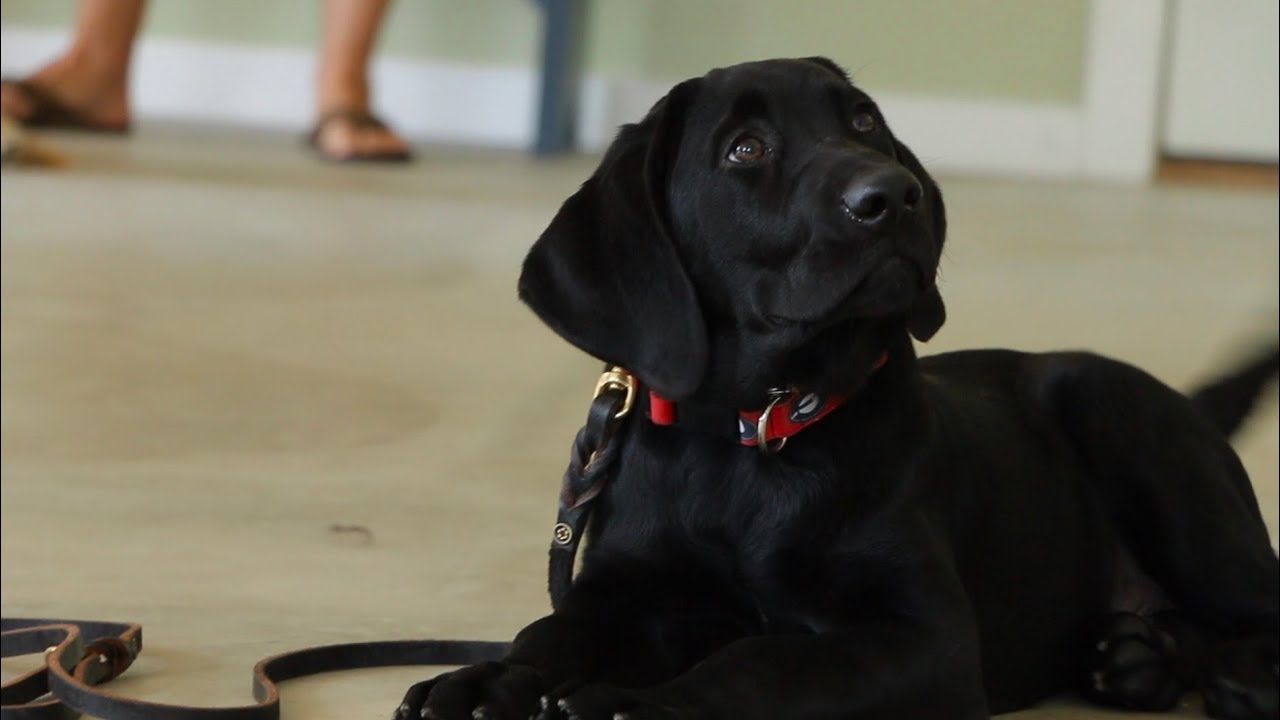
Training a dog is about more than teaching commands. Quality dog obedience lessons Phoenix programs can help owners build clearer communication, encourage reliable behavior, and create routines that make everyday life easier. Whether a dog is a puppy, adolescent, or adult, consistent training can provide structure while strengthening the relationship between the dog and its owner.
Effective obedience training focuses on practical skills dogs can use in real situations. A dog that responds at home may still need guidance around distractions, unfamiliar people, other animals, or outdoor environments.
Why Dog Obedience Training Matters
Dogs learn through repetition, reinforcement, and consistent interactions with their environment. When expectations change between situations, dogs may struggle to understand which behaviors are appropriate.
Obedience training establishes clearer communication. Basic cues such as sit, stay, come, down, and leave it can become useful tools for managing everyday situations.
Training can also help owners recognize what happens before unwanted behavior occurs. For example, jumping on visitors may be connected to excitement, while leash pulling may increase when a dog encounters an interesting smell or another animal.
Understanding these patterns allows owners to address behavior proactively rather than simply reacting afterward.
Building Reliable Obedience Skills
A strong training foundation begins with simple behaviors and gradually introduces more challenging environments. Dogs should practice skills in different locations rather than learning that a command only applies inside the home.
Important obedience skills can include:
- Responding consistently to verbal cues
- Walking appropriately on a leash
- Coming when called
- Waiting calmly before receiving food or going through doors
- Remaining focused around distractions
- Settling when guests arrive
- Responding to routine handling
- Learning appropriate boundaries around people and other dogs
The goal is not simply to make a dog perform commands. The broader objective is helping the dog understand expectations and make appropriate choices consistently.
The Role of Positive Reinforcement
Positive reinforcement is an important component of modern dog training. When a dog performs a desired behavior, an appropriate reward can increase the likelihood that the behavior will happen again.
Rewards may include food, toys, praise, play, access to something the dog wants, or other forms of reinforcement that motivate the individual dog.
Timing matters. A reward delivered immediately after the desired behavior helps the dog connect the consequence with the action.
Consistency is equally important. If jumping on people is discouraged in some situations but encouraged in others, the dog receives mixed information. Everyone regularly interacting with the dog should understand the basic training expectations.
Puppy Training and Early Habits
Puppyhood provides an important opportunity to establish desirable habits before unwanted behaviors become deeply practiced. Puppies naturally explore by chewing, jumping, barking, or grabbing objects.
Early training can introduce simple skills while helping puppies learn how to navigate everyday environments. Short, age-appropriate sessions can be more productive than expecting a young puppy to focus for extended periods.
Puppy training may address:
- Name recognition and attention
- Basic obedience cues
- Appropriate chewing habits
- Potty-training routines
- Leash introduction
- Calm greetings
- Safe socialization
- Handling and grooming preparation
Early socialization should be thoughtful rather than overwhelming. Puppies benefit from controlled exposure to different people, sounds, surfaces, environments, and experiences while maintaining appropriate safety and supervision.
Addressing Common Behavior Challenges
Obedience training and behavior modification often overlap, but they are not exactly the same. Teaching a dog to sit on cue differs from addressing persistent barking, reactivity, fear, separation-related behaviors, or aggression.
Behavior challenges can have multiple contributing factors. A dog’s environment, previous experiences, reinforcement history, daily routine, genetics, and physical condition may all influence behavior.
A more useful approach is to identify the circumstances surrounding the behavior. Owners can consider:
- What happens immediately before the behavior?
- What does the dog do?
- What happens afterward?
- Is the behavior occurring in a particular location?
- Are certain people, animals, sounds, or objects involved?
- Has the frequency or intensity changed?
Tracking these patterns can provide useful information for developing an appropriate training strategy.
Why Consistency Matters in Phoenix
Dogs living in Phoenix experience many environments, from residential neighborhoods and indoor spaces to parks, sidewalks, and busy public areas.
Training should extend beyond a quiet room. A dog may respond perfectly to a sit cue at home but struggle to focus when another dog walks nearby or unfamiliar sounds compete for attention.
Gradually increasing distractions can help dogs generalize their training. Owners can begin in a familiar environment and slowly introduce more challenging settings as reliability improves.
Weather and daily routines should also be considered when planning training sessions. During periods of extreme heat, owners should prioritize safe conditions and consider indoor training opportunities.
Making Training Part of Everyday Life
Obedience training does not have to happen only during formal sessions. Everyday routines provide frequent opportunities for reinforcement.
A dog can practice sitting before receiving a meal, waiting before going outside, coming when called from another room, or settling calmly while the owner works.
Short repetitions throughout the day can make training feel less like a separate activity and more like part of normal life.
Owners should also avoid repeating commands unnecessarily. If a dog learns that a cue can be ignored several times before action is required, the cue may become less meaningful. Clear communication, appropriate rewards, and realistic expectations help maintain consistency.
Choosing Professional Dog Training
Professional instruction can be useful when owners are uncertain about how to address a behavior or when progress has stalled.
When evaluating a dog trainer, owners can ask about:
- Training methods and philosophy
- Experience with the dog’s age and behavior concerns
- How owners participate in training
- How skills transfer to everyday environments
- Whether plans are adjusted for individual dogs
- How progress is measured
A professional trainer should help owners understand not only what to do, but also why a particular strategy is being used. Owner education is an important part of creating lasting behavioral change.
Creating Long-Term Results
One misconception about obedience training is that a few sessions automatically create permanent behavior. Dogs need continued practice.
Training should evolve as the dog becomes more capable. Once a behavior is reliable in a familiar environment, owners can gradually introduce distractions, increase distance, extend duration, or practice in new locations.
Maintenance does not need to involve lengthy sessions. A few minutes of focused practice incorporated into everyday routines can help reinforce learned skills.
The most useful measure of progress is not how many commands a dog knows. It is how reliably the dog can apply those skills when they matter.
A Practical Approach to Better Dog Behavior
Dog obedience lessons Phoenix can combine clear communication, appropriate reinforcement, repetition, environmental management, and realistic expectations. Effective training also recognizes that every dog has its own temperament, learning history, motivation, and challenges.
For Phoenix-area owners looking for structured support, dog obedience lessons Phoenix can provide a foundation for better communication and more dependable everyday behavior. Rob’s Dog Training works with owners to help dogs build practical skills that extend beyond the training environment.
Consistent training can make everyday interactions more predictable, from neighborhood walks to welcoming visitors at home. To strengthen your dog’s obedience and develop better habits, visit Rob’s Dog Training at robsdogs to learn more about available training services.
