


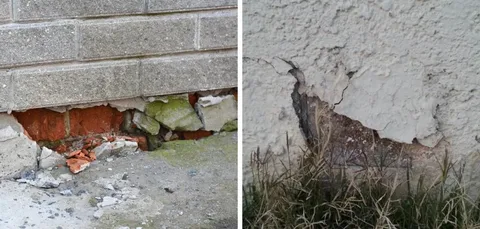
A properly built fence enhances the security and beauty of a property. However, over time, even small cracks or other types of damage can weaken the structure. The good thing, however, is that most of these cracks are very easy to mend and prevent further damage. Clean the loose concrete and then slightly widen the crack so that the repair material can sink in deeply. Then, fill in the area with cement grout and level off the surface. After concrete fence cures, apply a waterproof sealer and ensure drainage to protect the fence from future damage.
Steps for Fixing Concrete Fence Cracks
Here are the steps to fix the fence:
Step 1: Inspect the Fence and Assess Damage
Check your entire line of concrete fence for cracks, chips, holes, and weak spots. Ask yourself:
- Are they small, hair-thin, or big cracks?
- Is the concrete falling off?
- Is the fence leaning, or is it shaky?
For several cracks or severe damage, the fence may require a professional examination. In most of the smaller cracks, you can make the repairs yourself.
Step 2: Prepare the Area for Repair
Once you spot the crack, you’ll need to clean and dry the area so the repair can be done properly. That means:
- Remove loose concrete, dust, dirt, or leaves.
- With a more serious crack, you can use a chisel or another object so the filler can bond firmly.
- It should be dry since the repair process may be interfered with by water or moisture.
- Smoothing the surface with sandpaper or a brush may be necessary if it is uneven.
Step 3: Choose the Right Repair Material and Technique
Because not all cracks are the same, it is essential to select the appropriate material or method for use. Common methods are:
- Small cracks: Sealant or filler can be applied to it.
- Large or structural cracks: epoxy injection, routing and sealing technique, or stitching.
- Experts recommend Portland cement grout for fences, or a mixture of cement, and that the crack be filled and smoothed over.
Step 4: Perform the Repair
Your area is now clean, and you have your materials at hand. Now it’s time to fix it. The basic steps include the following:
- Fill the crack full with your repair stuff. With grout or cement, this should be forced into the crack, filling the space and surrounding the edges.
- Smooth the surface to match the surrounding fence. A small trowel or spatula would do.
- Let it cure: allow it to dry and harden. In some cases, you will need to keep them slightly moist for a couple of days to set in place.
- Cover the repair with plastic and leave it damp for approximately five days.
- The next step is to paint or apply a coat to it after it is completely dry to suit the rest of the fence.
Step 5: Finish and Protect the Fence
After repair and drying, apply a further layer of protection over the area to extend the repair life. This may be:
- Waterproof sealer to prevent water from entering the concrete and the concrete from becoming soaked.
- A paint or coating used outdoors that resists the sun and rain.
- Ensuring the drainage is good, so that no water will be collecting around it, which could cause an existing crack to swell.
Preventing Future Cracks and Damage
To keep a concrete fence in good condition and eliminate the problems, it is necessary to observe the following measures:
-
Apply A Waterproof Concrete Sealer
Use a breathable, waterproof sealer over the concrete fence surface. The coating aids in preventing the entry of water within small crevices and freezing there, hence expanding and causing cracks in due course.
-
Maintain Proper Drainage
Ensure that it does not hold water on the bottom of the fence or leak around the back side. Soil movement beneath the fence can be a result of poor drainage.
-
Avoid Heavy Impact or Pressure
A concrete fence is strong but not invulnerable. If heavy equipment, vehicles, or repeated pressure push or lean against it, over time, it can lead to cracks. Avoid stacking heavy items against your fence or letting equipment lean on it.
-
Trim Trees and Roots
Roots of trees that grow near a fence can push against or even raise concrete panels. Periodically check the growth of roots around the footing of the fence and cut or redirect them so that the concrete structure is stable.
-
Conduct Routine Visual Inspections
Establish a routine to check the fence at least once or twice a year. Search in the area of new cracks, swellings, movement, or evidence of water getting inside.
Conclusion
A concrete fence can last for several years and look great, and you don’t need to worry about many major repairs if you act early. All these steps, from preparing the damaged area to selecting the repair method, performing the proper repair, and protecting the fence, as well as maintaining it, will be time- and money-saving. In addition to these precautions—waterproofing, drainage, avoiding heavy impact, trimming trees, and regular inspections—your concrete fence will be strong and remain in great shape for a long time.
