


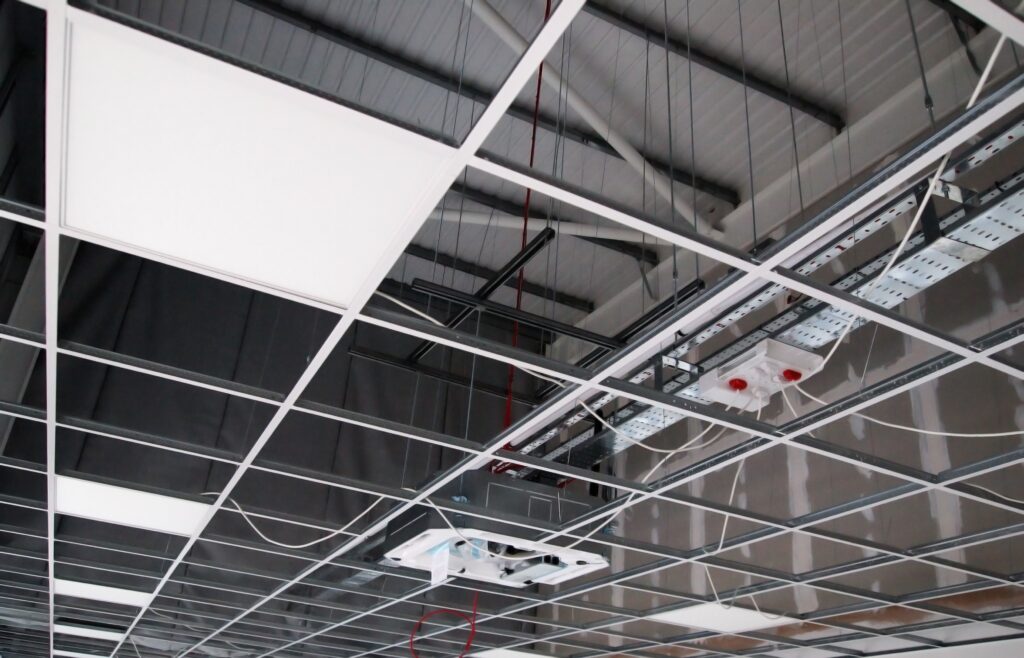
When we invest in lighting, we want it to last. That’s one of the biggest reasons why LED troffers have become the go-to choice for offices, schools, retail stores, and commercial buildings. They’re energy-efficient, durable, and produce consistent, high-quality illumination. But even the most reliable fixtures need care. Proper maintenance doesn’t just keep LED troffers shining bright—it ensures they perform efficiently for years without unexpected replacements or costly repairs.
Key Highlights
- Regular cleaning improves efficiency and light quality.
- Proper ventilation prevents overheating and damage.
- Periodic inspections help identify early electrical or structural issues.
- Smart usage and controls can significantly extend fixture life.
- Professional maintenance can save money in the long run.
Why Maintenance Matters for LED Troffers
We often assume that LED lighting systems are “set it and forget it.” While that’s mostly true compared to traditional fluorescent fixtures, neglecting maintenance can shorten their lifespan. Dust buildup, electrical surges, or even environmental factors like humidity can gradually affect performance. The good news? With a few simple steps, we can prevent these problems and keep our LED troffers running efficiently for up to 50,000 hours or more.
1. Keep Your LED Troffers Clean
Dust and debris may not seem like a big deal, but they can block light output and cause fixtures to retain more heat than they should. Over time, this buildup can reduce efficiency and even affect electronic components.
How to clean effectively:
- Turn off the power before cleaning.
- Use a soft, lint-free cloth to wipe the surface.
- For stubborn grime, use a mild cleaning solution—never harsh chemicals.
- Avoid spraying liquid directly onto the fixture; dampen the cloth instead.
A quarterly cleaning schedule works best in most commercial settings, though high-traffic or dusty environments may need more frequent care.
2. Ensure Proper Ventilation
LED troffers generate less heat than fluorescent or halogen lights, but they still need adequate ventilation. When fixtures are tightly enclosed without airflow, heat builds up and shortens component life—especially the driver, which is sensitive to temperature fluctuations.
What to check:
- Keep air vents and ceiling tiles free of obstructions.
- Ensure HVAC systems circulate air evenly in ceiling spaces.
- Avoid installing troffers near heat sources or areas prone to moisture.
Temperature control is key—consistent airflow helps LEDs perform at their best and minimizes wear on internal components.
3. Schedule Routine Inspections
Even high-quality LED troffers can develop issues over time—like loose connections, flickering, or reduced brightness. We shouldn’t wait for these signs to become serious. Regular inspections allow us to catch small problems before they turn into major failures.
Inspection checklist:
- Check for flickering or dimming lights.
- Ensure mounting hardware is secure.
- Inspect wiring for frays or loose connections.
- Test control systems like dimmers and occupancy sensors.
Biannual inspections are generally sufficient for most facilities, but if troffers are part of a mission-critical environment—like hospitals or data centers—quarterly checks may be better.
4. Protect Against Power Surges
Power fluctuations can damage LED drivers, shortening the lifespan of the entire fixture. Installing surge protectors or using power conditioning systems ensures a stable current supply.
Tips for electrical protection:
- Use surge protection devices in lighting circuits.
- Maintain proper grounding.
- Consider voltage regulation in areas prone to fluctuations.
Stable voltage keeps LED components safe and prevents flickering or premature burnout.
5. Optimize Usage with Smart Controls
Overuse or unnecessary operation can wear down even the best LED troffers faster than expected. Smart lighting controls—like timers, occupancy sensors, and dimmers—help reduce operating hours and energy consumption.
Practical strategies:
- Set automatic shutoff during non-working hours.
- Install motion sensors in areas with intermittent activity.
- Use daylight sensors to balance natural and artificial light.
By using intelligent controls, we extend fixture life and lower utility bills without compromising brightness or comfort.
6. Replace Drivers, Not Fixtures
If an LED troffer starts to flicker or dims significantly, it’s often the driver—not the LED panel itself—that’s failing. Replacing a faulty driver is a cost-effective fix that can restore full functionality without swapping the entire fixture.
Why this matters:
LED drivers handle power conversion and regulation. Over time, they’re more likely to fail than the LEDs themselves. Choosing a quality driver replacement from a trusted source ensures compatibility and reliability.
7. Partner with Professionals
While basic maintenance can be handled in-house, professional servicing provides peace of mind. Experienced technicians can conduct performance testing, thermal imaging, and detailed electrical diagnostics that go beyond visual inspection.
Professional maintenance also helps ensure compliance with lighting standards, safety codes, and warranty requirements—especially in commercial or industrial settings.
The Long-Term Payoff
Proper care and maintenance turn LED troffers into long-term investments. Instead of facing frequent replacements, we enjoy consistent illumination, lower energy costs, and fewer maintenance interruptions. When our fixtures are well-maintained, they perform as beautifully on year eight as they did on day one.
Choosing quality LED troffers from reputable suppliers is equally important. High-performance designs combined with routine care make a powerful duo for lighting longevity. If we’re upgrading or maintaining an existing system, partnering with a trusted lighting provider ensures we get dependable products and expert support for years to come.
Frequently Asked Questions
- How often should LED troffers be cleaned?
For most facilities, every three to six months is ideal. However, areas with heavy dust or high activity may require monthly cleaning to maintain brightness and efficiency. - Can LED troffers burn out like fluorescent lights?
Not in the traditional sense. LEDs gradually dim over time instead of burning out suddenly. Proper maintenance slows this process, keeping light output consistent for years. - Do LED troffers need to be replaced entirely when they flicker?
Not necessarily. Flickering usually signals a faulty driver or wiring issue. Replacing the driver often resolves the problem without needing a new fixture. - What’s the typical lifespan of an LED troffer?
High-quality LED troffers can last between 50,000 and 100,000 hours, depending on usage and maintenance. That translates to over a decade of reliable operation in many commercial spaces. - Is professional maintenance necessary for LED troffers?
While minor upkeep can be handled internally, periodic professional inspections help detect deeper electrical or performance issues early, maximizing safety and longevity.
Final Thoughts
Maintaining LED troffers isn’t complicated—but it does require consistency. A little care goes a long way in protecting our investment, keeping our spaces well-lit, and ensuring energy savings year after year. When we pair good maintenance habits with quality lighting products, we create brighter, safer, and more cost-effective environments that last.
