


Slot machines are among the most popular forms of casino entertainment today. From land-based casinos to modern online gaming platforms, these spinning machines attract millions of players around the world. Despite their global popularity, many people still wonder about their origins. One common question is: in which country was the first slot machine created? The answer leads us back more than a century to a time when mechanical inventions were rapidly transforming everyday entertainment.
The first slot gacor resmi machine was created in the United States, specifically in San Francisco, California. During the late 19th century, a German-American mechanic named Charles Fey developed a revolutionary gambling device that would later become the foundation for all modern slot machines. His invention changed the way people experienced coin-operated games and introduced the basic concept that still defines slot machines today.
In 1895, Charles Fey built the first successful slot machine known as the Liberty Bell. This mechanical device featured three spinning reels and several symbols printed on them. The machine allowed players to insert a coin, pull a lever, and watch the reels spin. If certain symbols aligned in the correct combination, the machine automatically dispensed coins as a reward. This automatic payout feature was the major innovation that distinguished Fey’s machine from earlier gambling devices.
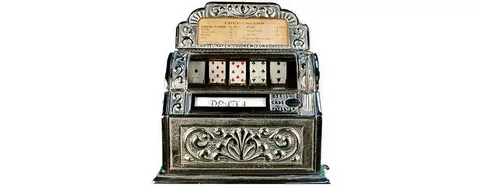
Before the Liberty Bell was invented, other coin-operated gambling machines already existed in the United States and Europe. However, these early machines often used poker cards instead of reels, and many required manual payouts from the establishment owner. Because of these limitations, the gameplay was less efficient and not as engaging. Charles Fey’s design simplified everything by creating a compact machine that could operate independently.
The Liberty Bell machine quickly gained popularity across San Francisco. Bars, saloons, and cigar shops installed the machines because they attracted customers and encouraged them to spend more time in the establishment. Players were fascinated by the spinning reels and the excitement of winning coins instantly. As word spread, the slot machine concept began to expand beyond California.
Interestingly, Charles Fey never patented the Liberty Bell machine. Because of this, other manufacturers were free to replicate the design. Companies across the United States began producing similar slot machines with slight modifications. These new machines introduced different symbols, improved mechanics, and more appealing designs. As production increased, slot machines became a common sight in entertainment venues throughout the country.
During the early 1900s, gambling regulations began to tighten in some parts of the United States. To adapt to these restrictions, manufacturers introduced creative alternatives. One of the most famous innovations was the fruit-themed mahjong slot bonus besar machine. Instead of paying coins, these machines sometimes dispensed fruit-flavored chewing gum or candy. Symbols such as cherries, lemons, plums, and oranges became widely used, and these icons remain associated with slot machines even today.
As technology advanced, slot machines continued to evolve. In the 1960s, the first electromechanical slot machine was introduced. This version combined traditional mechanical components with electrical systems, allowing for more complex gameplay features and larger jackpots. The addition of lights, sounds, and improved payout systems made the machines even more exciting for players.
The next major development occurred in the 1970s with the invention of video slot machines. Instead of physical spinning reels, these machines used a digital display to show animated reels. Video technology allowed game designers to introduce bonus rounds, special symbols, and interactive features that were impossible with purely mechanical machines.
By the 1990s, the rise of the internet created yet another transformation in the slot machine industry. Online casinos began offering digital slot games that could be played from home computers. Later, smartphones and mobile devices made it possible for players to enjoy slot games anytime and anywhere. Despite these technological changes, the fundamental idea of spinning reels and matching symbols remains the same as it was in the Liberty Bell machine.
Today, slot machines are available in countless variations, from classic three-reel designs to modern video slots with elaborate storylines and massive progressive jackpots. Casinos around the world rely heavily on slot machines because they are easy to play and provide fast-paced entertainment.
In conclusion, the first slot machine was created in the United States, specifically in San Francisco, California, by Charles Fey in 1895. His Liberty Bell machine introduced the core mechanics that define slot machines today, including spinning reels and automatic payouts. From this humble beginning, the slot machine industry grew into a global phenomenon that continues to evolve with new technologies and creative game designs.
